Editorial note: this is a research-based assessment of the named model. We have not performed hands-on testing, listening tests or battery benchmarks.
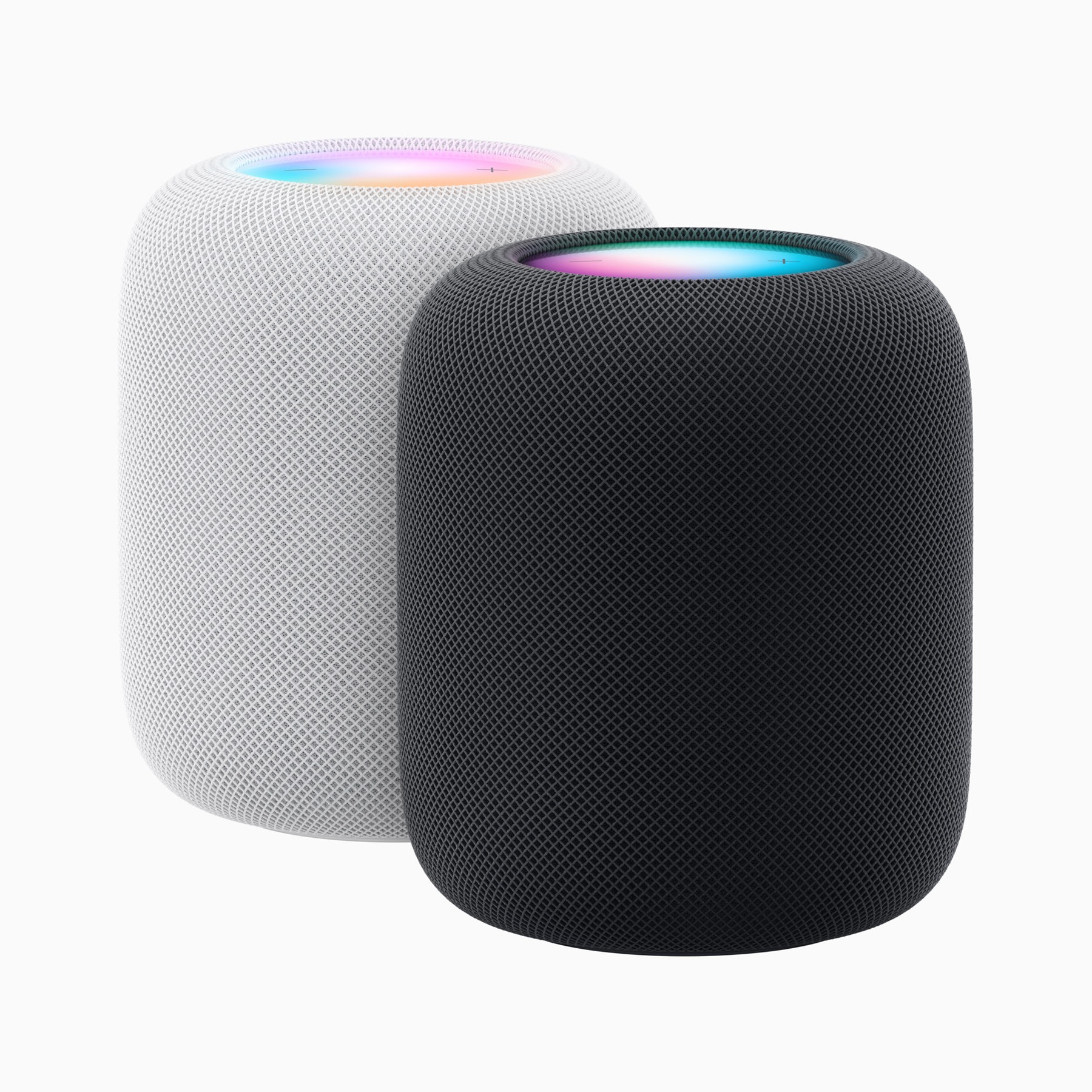
A smart speaker is both an audio purchase and a platform decision. The second-generation HomePod puts those choices in one enclosure. Its usefulness depends on the services you use and the role you want it to play. Choosing one starts with a household conversation rather than a specification comparison.
A speaker for a particular room
Apple describes a room-sensing speaker with an internal woofer and tweeter array. Those are design features, not a substitute for listening in your space. This review does not claim acoustic measurements. Room layout, placement and listening preferences all affect the result.
Decide where the speaker will live before ordering. It needs mains power and a stable surface. A kitchen timer, a shared music speaker and a television audio system are different jobs. Trying to solve all three from one awkward location can lead to disappointment.
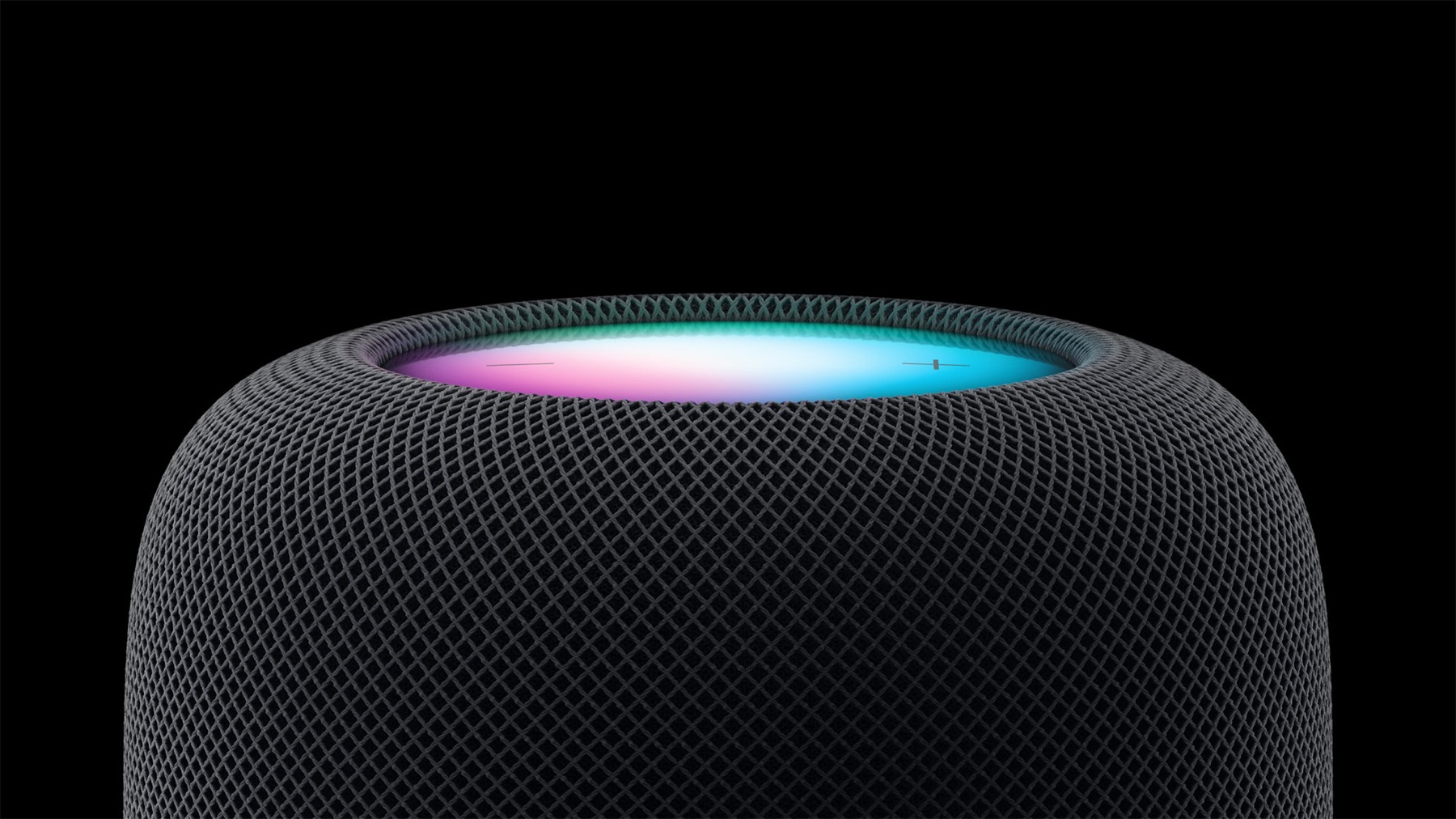
The connected-home role
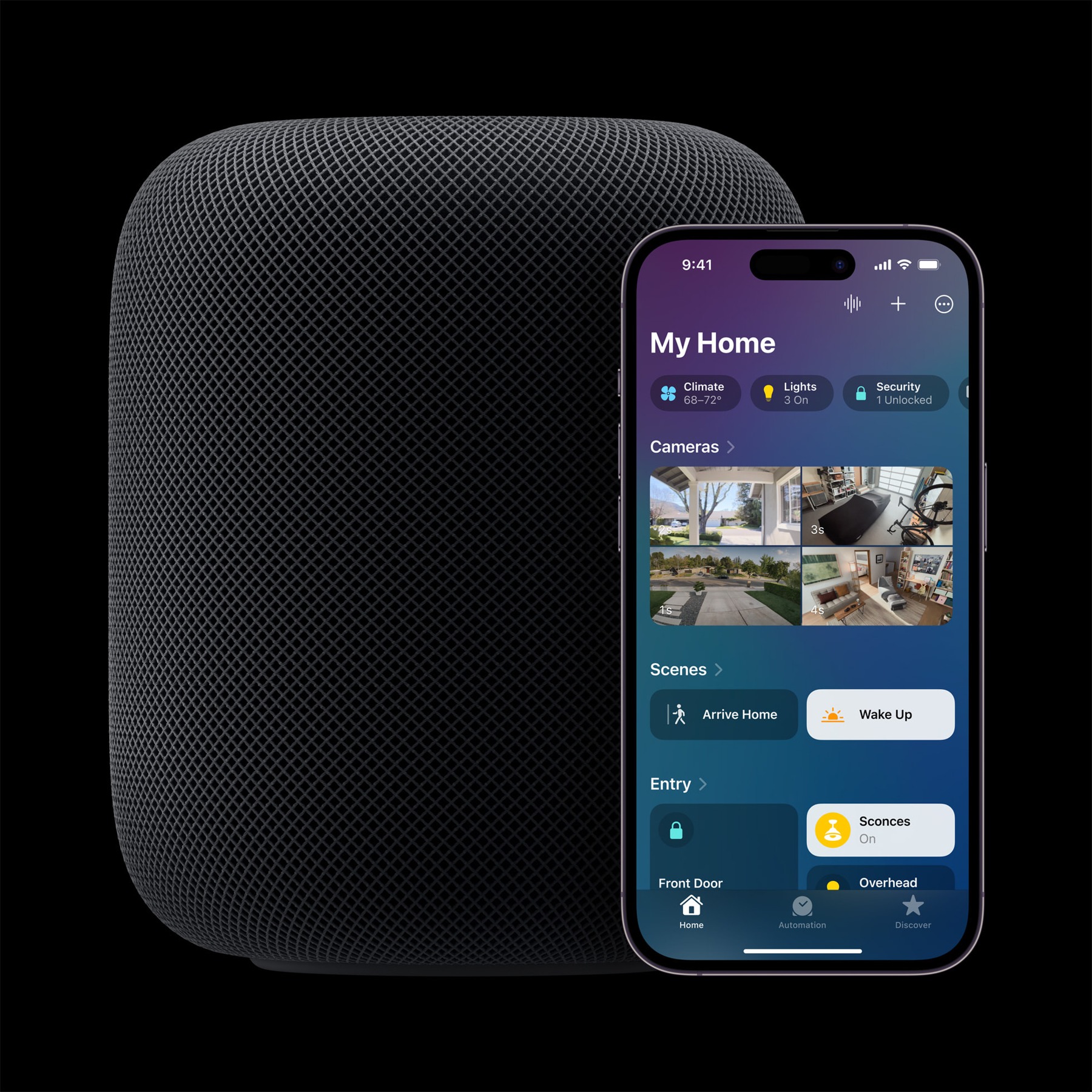
The second-generation HomePod includes temperature and humidity sensing and support for compatible home accessories. Check current Apple Home requirements and accessory specifications before building a system around it. A compatibility logo does not necessarily mean every advanced feature works together.
Keep household controls understandable. If voice control becomes the only way to operate a lamp, guests and family members can be left behind. Familiar physical controls and a documented setup usually improve everyday usefulness more than adding another automation.
One speaker or a pair?
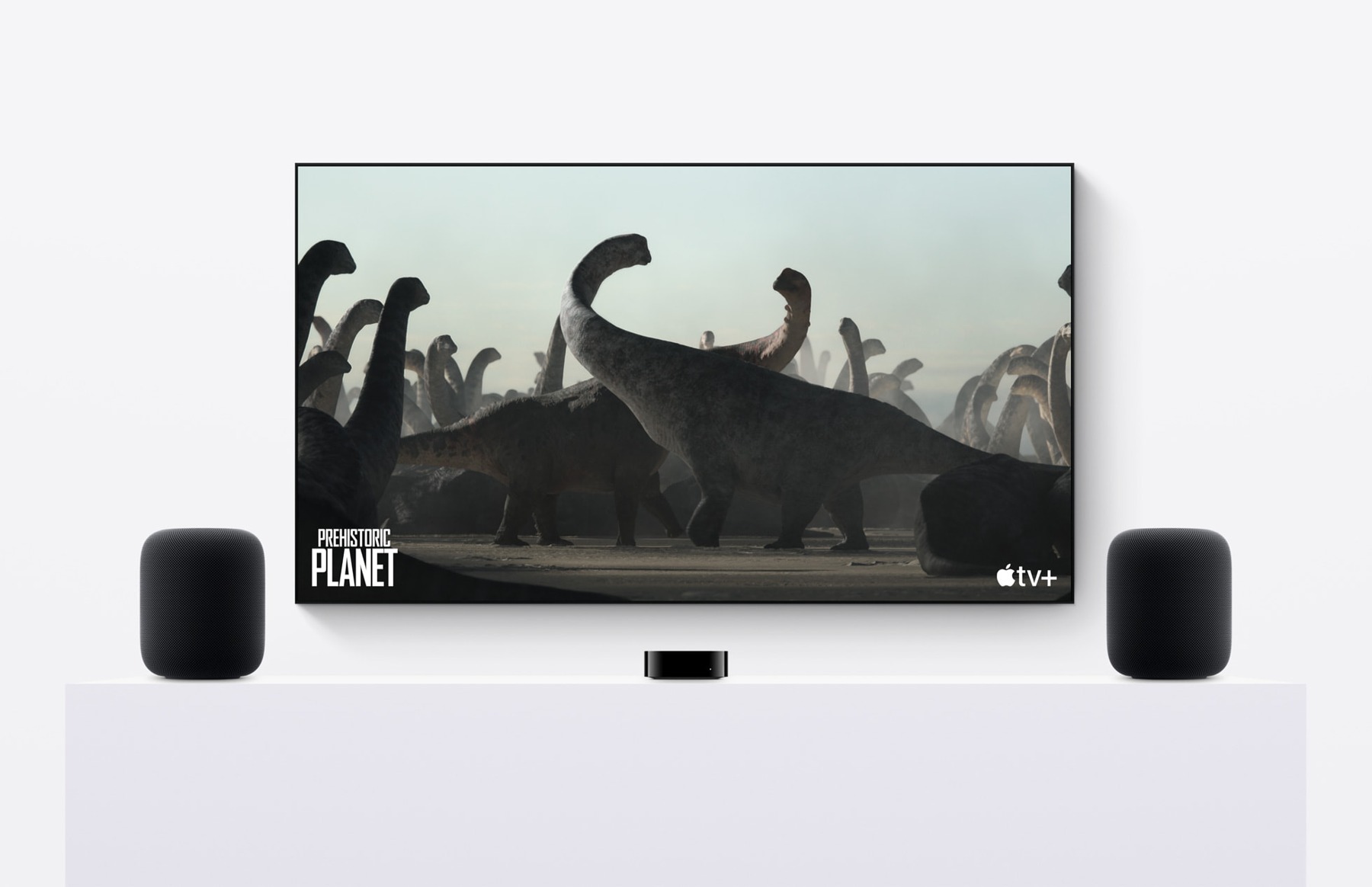
Two second-generation HomePods can form a stereo pair, but a pair changes the budget and placement requirements. Begin with the experience you need, then compare conventional speakers, a soundbar and a single smart speaker. For television use, verify the exact Apple TV and software combination.
List the devices and music services your household already uses. A compatible Apple household may find this format more natural than a mixed-platform one. If your preferred service or phone is a poor match, promised convenience can turn into a practical limitation.
Pros
- Combines speaker and compatible home-control roles
- Temperature and humidity sensing
- Stereo pairing with the same generation
Cons
- Ecosystem compatibility matters
- A pair increases cost and placement demands
- Mains powered rather than portable
Who should buy it?
Households already using compatible Apple devices and services, with a clear place and purpose for a stationary speaker.
The conclusion
Our take
A focused ecosystem choice rather than a universal speaker recommendation. Check service support, plan the room and buy the number of speakers your actual use case needs.
Sources & credits
Model context: manufacturer documentation and launch material. Checked November 18, 2026. Launch information is historical; availability, support and prices may change.
Full image attribution and sources. Images show the named model or relevant accessories; lifestyle and internal views are captioned.